Rwanda Launches its First-Ever Upper-Air Weather Station
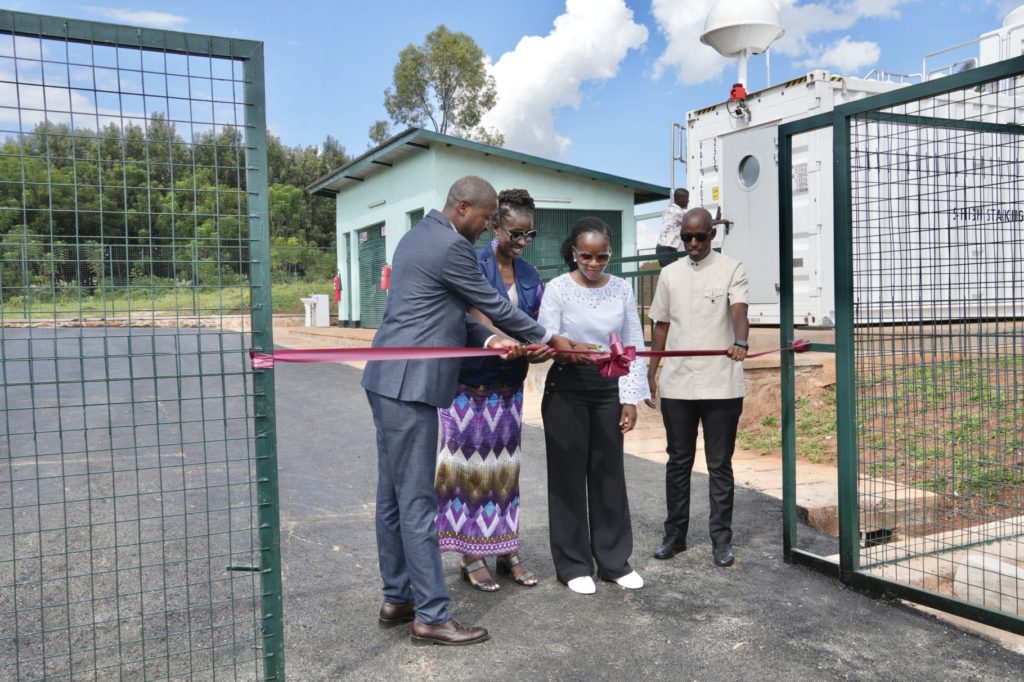
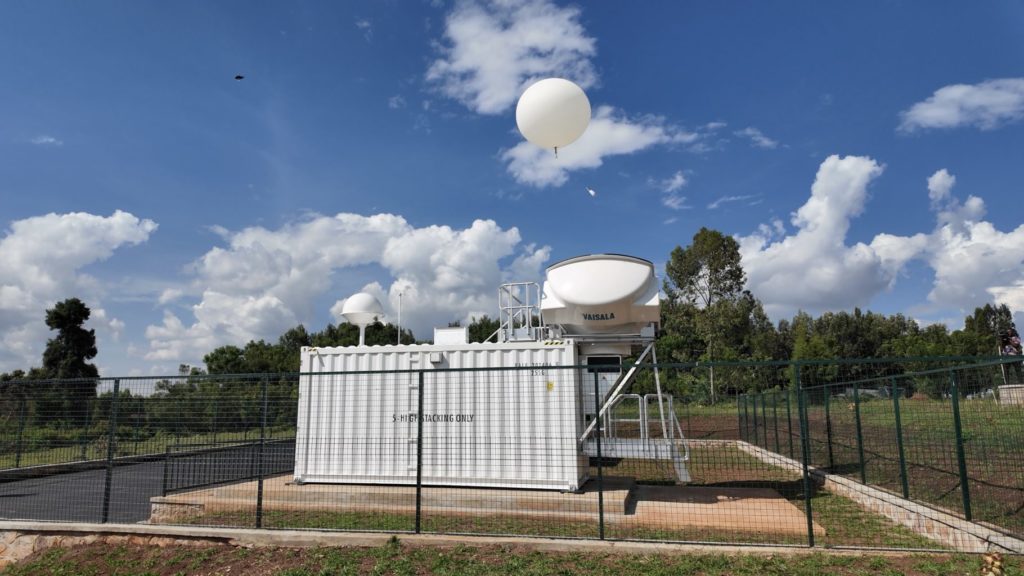
Huye, Rwanda, 4 June 2026 – Rwanda inaugurated its first automatic upper-air weather station today, marking a major milestone for the country’s meteorological services and strengthening its contribution to the global weather and climate observing system.
Installed with support from the Systematic Observations Financing Facility (SOFF), this is also the first upper-air station inaugurated under the SOFF portfolio worldwide.
“This marks a major milestone for meteorology in our country,” said Aimable Gahigi, Director General of Meteo Rwanda. “For the first time, Rwanda will be able to routinely observe the atmosphere above the surface and generate data essential for accurate forecasting and early warnings. This achievement not only strengthens our national forecasting capabilities but also contributes valuable observations to the global meteorological community.”
From investment to impact
Since March 2023, SOFF has supported Rwanda, together with the Finnish Meteorological Institute as Peer Advisor, Unites Nations Development Programme (UNDP) as Implementing Entity and the World Meteorological Organization (WMO) as Technical Authority, in strengthening its observing systems and advancing compliance with the Global Basic Observing Network (GBON), the internationally agreed standard for exchanging essential weather and climate observations.
Through a USD 3.5 million investment, Rwanda has upgraded three surface stations, initiated international data sharing and installed its first automatic upper-air station, becoming one of the first SOFF-supported countries to begin sharing observations internationally.
“The installation of the country’s first automatic upper-air station and the rapid progress achieved in just two years demonstrate what can be accomplished through strong national leadership and effective partnerships,” said Celeste Saulo, Secretary-General of the World Meteorological Organization (WMO).
Better information for people and livelihoods
The achievement comes at a critical moment, as climate extremes are posing growing risks to lives, food security, health and economies.
In Rwanda, where 70% of households depend on farming for their livelihood, accurate weather and climate information is essential for anticipating risks, informing decisions and reducing the impacts of climate-related hazards.
“Farmers need timely forecasts that go beyond weather conditions to show the likely impacts on their crops and livelihoods,” said Fatmata Sesay, United Nations Development Programme (UNDP) Resident Representative in Rwanda. “New data from the upper-air station will make forecasts more accurate, more localized and more actionable, helping farmers and other decision-makers take timely action to protect livelihoods and reduce avoidable losses.”
Benefits beyond borders
Upper-air observations provide essential information on temperature, humidity, wind and atmospheric pressure at different altitudes that cannot be measured from the ground and cannot be fully captured by satellites alone.
“Upper-air observations are among the most valuable inputs for weather forecasting and early warning systems,” said Albert Fischer, Director of the WMO Integrated Global Observing System Division and GCOS Secretariat. “By sharing these observations internationally, Rwanda is strengthening both its national forecasting capabilities and the global observing system.”
Rwanda has now begun collecting observations twice daily and is preparing to share these data internationally. Because weather systems do not stop at national borders, observations collected in Rwanda contribute to the global exchange of meteorological data, helping reduce forecast uncertainty worldwide.
About SOFF:
Established in 2022, the Systematic Observations Financing Facility (SOFF) is a United Nations fund co-created by the World Meteorological Organization (WMO), the United Nations Development Programme (UNDP) and and the United Nations Environment Programme (UNEP) dedicated to closing the basic weather and climate data gaps in the world’s most resource-constrained regions. SOFF provides grants and peer-to-peer technical assistance to help Least Developed Countries and Small Island Developing States generate and sustain surface-based observations that meet Global Basic Observing Network (GBON) standards. By enabling a steady flow of high-quality weather and climate data, SOFF delivers a global public good that strengthens forecasts, improves early warnings, and supports climate-resilient development everywhere.
YOU MAY ALSO LIKE...